
Homeowners constantly battle clutter, and finding the right storage solution can turn chaotic rooms into functional, peaceful spaces. The secret isn’t buying more bins or renting a storage unit, it’s making smart use of every square inch already available. From vertical walls to forgotten corners under stairs, creative storage transforms cramped quarters into organized havens. These strategies blend practical building know-how with accessible DIY techniques, helping anyone reclaim their home one shelf at a time.
Table of Contents
ToggleKey Takeaways
- Wall-mounted shelves and pegboard systems transform blank walls into functional home storage solutions without sacrificing floor space, with proper anchoring into studs for heavy items.
- Double-hang rods and adjustable closet organizer kits can double or triple usable closet storage by reconfiguring standard builder-grade closets without expanding square footage.
- Under-stair pull-out drawers and built-in shelving maximize cramped spaces using the triangular void, but never modify structural stringers without consulting a structural engineer.
- Storage beds with hydraulic hinges and ottoman benches provide 10-20 cubic feet of hidden space, essential for multi-functional furniture in apartments and smaller homes.
- Pull-out drawers, vertical dividers, and appliance garages in kitchens eliminate countercrop clutter by keeping appliances and utensils accessible but out of sight.
- Overhead garage racks and slatwall panels reclaim ceiling and wall space for seasonal items, with proper weight ratings and moisture control to protect stored goods.
Maximize Vertical Space With Wall-Mounted Storage
Most rooms waste their most valuable real estate: wall space above eye level. Installing wall-mounted shelving turns blank walls into functional storage without sacrificing floor space.
Floating shelves work well in living rooms, bedrooms, and hallways. Use a stud finder to locate 16-inch on-center wall studs for secure mounting, drywall anchors alone won’t support heavy loads like books or kitchenware. For shelves longer than 24 inches, anchor into at least two studs. Actual 2×8 lumber (which measures 1.5″ x 7.25″) makes sturdy DIY shelving: seal with polyurethane for durability.
Pegboard systems offer adjustable storage in garages, craft rooms, and workshops. Mount a 1/4-inch pegboard panel on 1×2 furring strips to create the clearance needed for hooks. Spray paint the pegboard to match room colors, oil-based primer prevents warping from moisture.
Track shelving systems (like standards and brackets) let homeowners adjust shelf height as needs change. Install the vertical standards plumb and level: even a 1/8-inch variance over six feet creates wobbly shelves. This approach supports small home renovation projects without major construction.
Safety note: Wear safety glasses when drilling into walls, drywall dust and tile fragments can cause eye injuries. Use a dust mask if drilling into older walls that may contain lead paint.
Creative Closet Organization Systems
Standard builder-grade closets waste space with a single rod and shelf. Reconfiguring closet interiors doubles or triples usable storage without expanding square footage.
Double-hang systems work for shirts, jackets, and folded pants. Install a second rod 40-42 inches below the top rod using heavy-duty rod brackets rated for at least 35 pounds. This setup won’t work for long dresses or coats, measure garment lengths first.
Closet organizer kits (wire or laminate systems) include adjustable shelves, drawers, and rods. Wire shelving costs less and allows air circulation, preventing musty odors. Laminate organizers look cleaner but require careful measurement, most aren’t adjustable after installation. Cut wire shelving with bolt cutters: use a circular saw with a fine-tooth blade for laminate panels.
Shoe racks and cubbies keep floors clear. Slanted shoe shelves fit more pairs per linear foot than flat shelves. For custom builds, space cubby openings at 7 inches high by 12 inches wide, enough for most adult shoes.
Many storage organization tips emphasize vertical dividers for handbags, sweaters, and accessories. Use shelf dividers or build simple plywood partitions to prevent stacks from toppling.
Measuring tip: Calculate total hanging rod length needed by counting garments on hangers and allowing 1 inch per hanger. Most people underestimate by 30-40%.
Under-Stair Storage Solutions That Actually Work
The space beneath stairs often becomes a cluttered catchall, but it’s prime real estate for built-in storage. The triangular footprint requires custom solutions, but the payoff is substantial.
Pull-out drawers maximize deep under-stair spaces. Build drawer boxes from 1/2-inch plywood with full-extension drawer slides rated for 100 pounds. Measure the depth at multiple points, stair geometry means each drawer will be a different size. Front-loading drawers beat top-loading bins for accessibility.
Built-in shelving works when ceiling height allows. Frame openings with 2×4 lumber, then add adjustable shelves on standards or fixed shelves with 1×12 boards. Taller sections near the stair base handle brooms, mops, and sports equipment. If the under-stair area is enclosed, install LED motion-sensor lights, fumbling for a pull chain defeats the convenience.
Cubbies and cabinets create organized zones. Use 3/4-inch cabinet-grade plywood for door frames and backs. Add soft-close hinges to prevent slamming. For homes with kids, lower cubbies with bins keep toys contained and accessible.
Many creative small space storage ideas feature modular units that adapt to angled ceilings. Prefab closet components sometimes fit with minor trimming.
Structural warning: Never cut or modify stringers, joists, or load-bearing framing under stairs without consulting a structural engineer. Under-stair storage should use the void, not compromise it.
Multi-Functional Furniture for Small Spaces
Furniture that pulls double duty reduces clutter and opens up floor space, essential in apartments, condos, and smaller homes.
Storage beds add 10-20 cubic feet of hidden space. Platform beds with lift-up hydraulic hinges provide access to the entire under-bed area, beating roll-out drawers for capacity. DIY builders can construct platform bases from 2×6 or 2×8 framing with 3/4-inch plywood decking. Add piano hinges and gas lift struts (rated for the mattress weight plus stored items).
Ottoman benches with hinged lids store blankets, games, or off-season clothing. Upholster a simple plywood box with high-density foam and fabric. Install safety lid supports to prevent the lid from slamming on fingers, especially important in homes with children.
Murphy desks and fold-down tables free up square footage when not in use. Wall-mounted drop-leaf tables work in kitchens and home offices where permanent furniture blocks walkways. Use heavy-duty folding brackets rated for 150+ pounds and anchor into studs.
Bench seating with cubbies fits entryways, mudrooms, and breakfast nooks. Build a 2×4 frame, top with a 1×12 seat board, and add dividers below for shoe storage or bins. Finish with semi-gloss paint, easier to clean than flat finishes in high-traffic areas.
Tool note: A Kreg Jig simplifies pocket-hole joinery for furniture projects, creating strong joints without visible fasteners.
Kitchen Storage Hacks to Declutter Countertops
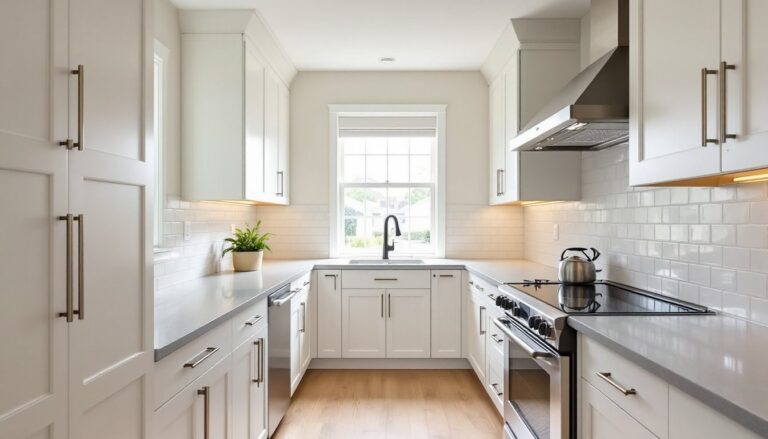
Countertop clutter makes even spacious kitchens feel cramped. Strategic storage keeps appliances, utensils, and pantry items accessible but out of sight.
Pull-out shelves and drawers in base cabinets eliminate the black hole at the back. Retrofit existing cabinets with under-mount soft-close slides and 3/4-inch plywood drawer boxes. Measure the cabinet opening width, subtract 1 inch for slide clearance, and build accordingly. Most kitchen base cabinets are 23 inches deep, allow 22 inches for drawer depth.
Vertical dividers organize baking sheets, cutting boards, and pot lids. Install dividers in a base cabinet next to the range using 1/4-inch plywood slats spaced 1.5 inches apart. This beats stacking, which turns grabbing one pan into an avalanche.
Door-mounted racks hold spices, cleaning supplies, or wraps and foils. Use over-the-door organizers or screw shallow racks directly to cabinet door interiors. Check that added depth won’t prevent doors from closing, clearance matters in tight galleys.
Open shelving displays dishes while freeing upper cabinet space for less-used items. Mount solid wood shelves on heavy-duty brackets or use floating shelf hardware for a cleaner look. Space shelves 12-14 inches apart for dinner plates and bowls. Many effective kitchen organization methods incorporate open storage paired with closed cabinets.
Appliance garages hide toasters, blenders, and coffee makers. Build a tambour door (rolling slat door) or simple hinged cabinet in the corner of the counter. Requires basic carpentry skills and a router for door tracks.
Garage and Basement Storage Ideas for Seasonal Items
Garages and basements become dumping grounds for holiday decorations, sports gear, and tools. Systematic storage transforms these spaces into functional extensions of the home.
Overhead garage storage racks reclaim ceiling space for bins and totes. Install steel rack systems rated for 600+ pounds, anchoring into ceiling joists (typically 16 or 24 inches on center). Use a stud finder to locate joists, then verify with a small pilot hole. Mount racks at least 48 inches above the garage floor to clear most vehicles. Store lightweight, infrequently used items overhead, never heavy or hazardous materials.
Slatwall panels create flexible storage along garage walls. Mount PVC or metal slatwall over drywall or exposed studs, then add hooks, baskets, and shelves as needed. This system beats pegboard for heavier items like ladders, bikes, or power tools. Use slatwall hooks rated for 50-75 pounds for bikes and equipment.
Heavy-duty shelving units (steel or resin) handle bins, paint cans, and bulk supplies. Choose units rated for 200+ pounds per shelf. Anchor tall units to wall studs to prevent tipping. In basements prone to moisture, resin shelving resists rust better than steel. Store items in clear plastic bins labeled on all four sides, easier to find contents without unpacking.
For a multipurpose garage that includes home gym equipment, wall-mounted storage keeps workout zones clear. Folding workbenches save floor space when not in use.
Moisture warning: Basements with humidity above 60% risk mold on stored fabric, paper, and wood. Use a dehumidifier and avoid storing valuables directly on concrete floors, use plastic pallets or shelving to allow air circulation.
Conclusion
Effective home storage doesn’t require elaborate renovations or expensive built-ins, just smart use of available space and a willingness to tackle a weekend project. Wall-mounted systems, closet reconfigurations, under-stair builds, and multi-functional furniture all deliver serious storage gains. Start with one high-impact area, measure twice, anchor into studs, and watch clutter disappear into organized, accessible storage.