When summer rolls around, the last thing anyone wants is a pool that resembles a murky swamp. A well-functioning pool pump is the unsung hero that keeps the water sparkling and inviting. But what happens when that trusty pump decides to take an unexpected vacation? Panic sets in, and suddenly, the dream of a refreshing dip turns into a nightmare of repair bills and DIY disasters.
Understanding Pool Pumps
Pool pumps play a crucial role in keeping pool water clean and clear. Various types exist, each suited for specific needs.
Types of Pool Pumps
Several types of pool pumps include centrifugal, variable speed, and single speed. Centrifugal pumps provide consistent flow rates, making them ideal for standard pools. Variable speed pumps offer adjustable speeds, which enhance energy efficiency and reduce costs. Single speed pumps operate at one fixed speed, often leading to higher energy bills over time.
Common Features
Common features of pool pumps include energy efficiency and durability. Many modern pumps feature built-in timers for easy scheduling. Adjustable flow rates allow for better control over water circulation. Automated systems facilitate remote management, providing convenience for owners. Lastly, compact designs often make installation simpler, fitting into various pool setups.
When to Repair Your Pool Pump
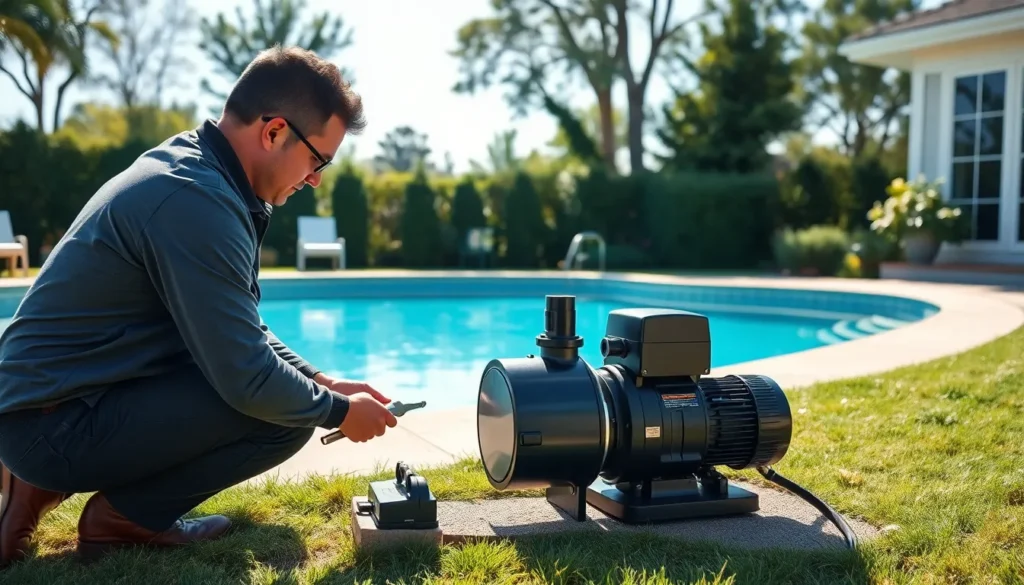
Identifying the right moments for pool pump repair can enhance water quality and extend the pump’s lifespan. Several indicators signal when it’s time to seek assistance.
Signs of a Failing Pump
Unusual noises often suggest issues with the pump. Watch for grinding or rattling sounds that could point to internal problems. Reduced water flow indicates a malfunctioning pump. If water circulation slows, addressing the issue promptly is essential. Another sign is air bubbles in the pool, which may indicate a leak or clog. Check the pump basket and the filter for blockages. Leaks around the pump or in the plumbing system also signify potential problems. Regularly observe for stagnant water that collects around the pump. If these symptoms arise, early intervention helps prevent more extensive damage.
Importance of Timely Repairs
Timely repairs can save money and prevent further complications. Quick action minimizes the risk of larger, costlier repairs. A functioning pump ensures proper water filtration, which is vital for pool health. Neglecting repairs results in poor water quality, creating an uninviting swimming environment. Delaying fixes might lead to energy inefficiency, increasing utility bills. Addressing issues promptly helps maintain energy-efficient operations. Over time, delaying repairs can lead to pump failure, necessitating costly replacements. Regular maintenance and swift repairs create a longer-lasting and reliable pool pump, enhancing overall pool enjoyment.
DIY Pool Pump Repair Tips
Pool owners can tackle some common issues with their pumps using DIY methods. Simple repairs save money and help maintain a clean swimming environment.
Basic Troubleshooting Steps
Start by checking the power supply to ensure the pump operates. Listen for unusual noises that may indicate problems with the motor. Observe the flow of water; reduced flow often signals clogs or blockages in the pipes. Inspect for leaks around the pump and its connections, as these can lead to decreased efficiency. Monitor for air bubbles in the pool, which may suggest that the pump’s seal is faulty. Addressing these basic issues promptly can prevent more severe damage and extend the life of the pool pump.
Tools You Will Need
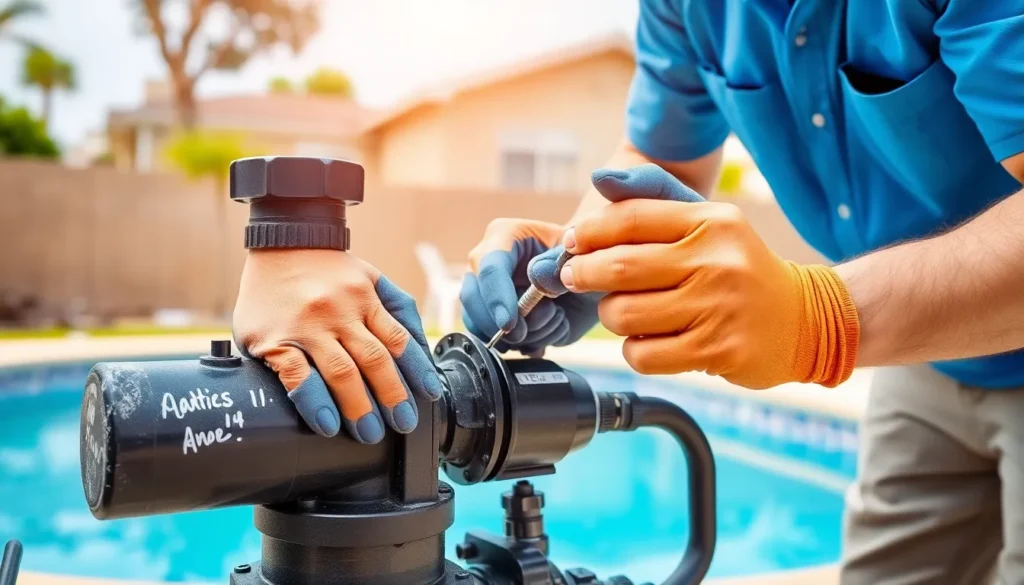
Gather essential tools, including a screwdriver for opening the pump casing. Use pliers to tighten loose connections and a wrench to adjust bolts. A multimeter measures electrical voltage and current, helping diagnose power-related issues. Keep a wet/dry vacuum handy for removing debris if blockages occur. Don’t forget rubber gloves to protect hands while working on potential leaks or repairs. A replacement seal kit is also vital for any necessary seal replacements. These tools facilitate a smoother repair process, ensuring efficient troubleshooting and efficient maintenance.
When to Call a Professional
Knowing when to contact a professional for pool pump repair can save time and money. Certain signs indicate that expert help is necessary.
Assessing the Severity of the Problem
Start by evaluating the pool pump’s performance. If unusual noises emerge, it might signal internal issues requiring expert diagnosis. Reduced water flow often points to clogs or mechanical failures. Air bubbles appear when suction problems occur, signaling a breach in the system. Leaks present noticeable water loss, suggesting potential damage where immediate expert intervention may prevent further harm. Stagnant water indicates inadequate filtration, raising concerns about water quality. Prioritizing these signs ensures owners address significant problems effectively.
Benefits of Professional Repair Services
Hiring a professional brings multiple advantages. Expert technicians possess specialized knowledge about various pump types. Time efficiency is another key benefit, as they can quickly diagnose and repair issues. Access to advanced tools enables more thorough inspections and repairs. Warranty protection often covers repairs conducted by certified professionals, ensuring additional peace of mind. Furthermore, professionals can offer maintenance tips, helping prevent future problems. Trusting experts guarantees proper resolution, promoting a safe and enjoyable swimming experience.
Preventative Maintenance for Pool Pumps
Maintaining pool pumps through preventative measures ensures their efficiency and longevity. Regular attention to the pump can prevent costly repairs and enhance overall pool water quality.
Regular Check-Ups
Regular check-ups are essential for identifying potential issues early. Schedule inspections every three months to monitor for unusual noises, leaks, or reduced water flow. Examining the pump’s strainer basket keeps debris from obstructing water flow. Evaluating the motor for excessive heat ensures it runs optimally. Additionally, inspecting the seals and gaskets prevents leaks that can lead to major problems. Observing the pump’s pressure gauge provides insights into its performance, alerting owners to any necessary adjustments.
Tips for Longevity
Tips for longevity focus on both care and routine. Cleaning the pump regularly removes dirt and debris. Ensuring that the pump operates on a consistent schedule maintains water clarity while optimizing energy use. Lubricating moving parts minimizes friction, extending the pump’s life. Checking electrical connections reduces the risk of shorts or shutdowns. Installing a timer automates regular operation, promoting efficiency. Lastly, winterizing the pump prevents freeze damage during colder months, aiding in its longevity.
Maintaining a well-functioning pool pump is vital for a clean and inviting swimming environment. By recognizing the signs of malfunction early and taking proactive measures, pool owners can prevent costly repairs and extend the lifespan of their pumps. Whether tackling minor issues through DIY fixes or seeking professional assistance for more severe problems, timely action is key. Regular maintenance and preventative care not only enhance the pump’s efficiency but also ensure optimal water quality. By prioritizing these practices, pool owners can enjoy a refreshing and healthy swimming experience all summer long.