
Maintaining a commercial pool isn’t just about keeping the water blue and inviting; it’s a full-time job that requires expertise and a splash of humor. After all, nothing says “welcome” like a sparkling pool, but nothing says “run for the hills” like murky water and a mysterious floating object. Whether it’s a hotel pool, a community center, or a gym, the stakes are high. A well-maintained pool can attract customers, while a neglected one can send them diving for the nearest exit.
From skimming leaves to balancing chemicals, commercial pool maintenance is a delicate dance that keeps everyone safe and happy. With the right approach, pool maintenance can even be fun—think of it as a water-themed workout. Dive into the essentials of keeping that pool pristine, and discover how a little TLC can make a big splash in your business’s success.
Overview of Commercial Pool Maintenance
Commercial pool maintenance involves several essential tasks that ensure a safe and enjoyable swimming environment. Regular cleaning, chemical balancing, and equipment checks represent the core of these responsibilities.
Skimming debris from the water’s surface plays a vital role in maintaining clarity and cleanliness. Leaf build-up not only diminishes aesthetics but also encourages algae growth. Additionally, vacuuming the pool floor eliminates dirt and contaminants that can affect water quality.
Balancing chemicals becomes critical for water safety and swimmer comfort. Testing for pH, chlorine, and alkalinity levels ensures that the pool remains healthy for all users. Proper chemical treatment reduces the risk of waterborne illnesses, promoting a safe swimming experience.
Equipment maintenance also demands attention. Regular inspections of pumps, filters, and heaters prevent costly breakdowns and maintain operational efficiency. Replacing worn-out parts promptly can save pool operators from more extensive and expensive repairs.
Observing local health and safety regulations is crucial. Compliance ensures that facilities remain operational and avoid penalties. Keeping up with these regulations also protects the reputation of the business.
A proactive maintenance schedule contributes to long-term pool sustainability. Scheduling routine services not only enhances functionality but also fosters customer satisfaction. When pools are well-maintained, patrons are more likely to return.
Investing in professional maintenance services offers expertise and reliability. Trained professionals can identify issues early, providing peace of mind to operators. With expert assistance, maintaining a commercial pool transforms into a manageable and fulfilling task.
Key Components of Pool Maintenance
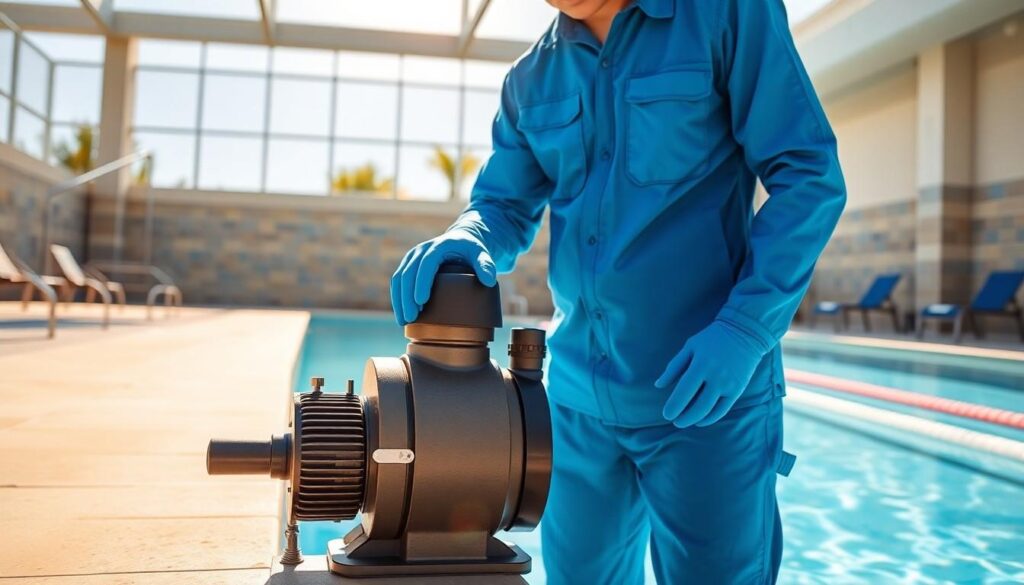
Effective pool maintenance involves several critical components that ensure safety and enjoyment for users. Each element plays a vital role in maintaining a high-quality swimming environment.
Water Quality Management
Water quality management focuses on maintaining chemical balance and clarity in the pool water. Regular testing of pH, chlorine, and alkalinity keeps the water safe for swimmers. It’s essential to adjust chemical levels as needed to prevent irritations and ensure compliance with local health regulations. Monitoring total dissolved solids also helps maintain a clean swimming environment. Regular water exchanges can refresh the pool and remove contaminants, enhancing the overall quality of the water.
Equipment Maintenance
Equipment maintenance includes regular inspections of pumps, filters, and heaters. Inspecting seals and gaskets helps identify potential leaks early, saving money on repairs. Consistent cleaning of filters ensures optimal water circulation and reduces strain on the system. Scheduling professional servicing for equipment enhances longevity and performance. Addressing minor issues promptly prevents costly breakdowns, ensuring uninterrupted service for pool users.
Cleaning and Sanitization
Cleaning and sanitization involve removing debris and preventing the growth of harmful bacteria. Employing skimmers and vacuums keeps surfaces debris-free and attractive. Brushing walls and tiles prevents algae accumulation, maintaining aesthetic appeal. Using appropriate sanitizing agents ensures water remains safe for swimming. Regularly cleaning surrounding areas also enhances the overall pool environment, making the facility inviting and well-maintained.
Best Practices for Commercial Pool Maintenance
Effective commercial pool maintenance relies on thorough practices. Adhering to best practices ensures a safe environment and enhances customer satisfaction.
Regular Inspections
Conducting regular inspections contributes significantly to pool safety. Inspect water quality weekly for pH, chlorine, and alkalinity levels. Examine filtration systems and pumps to detect any equipment issues early. Visual checks of pool surfaces and surrounding areas help identify any necessary repairs. Routine monitoring prevents costly breakdowns and ensures compliance with health regulations. Schedule inspections during off-peak hours to avoid disrupting customers.
Staff Training and Responsibilities
Proper staff training enhances the efficiency of pool maintenance. Train employees on chemical balance management and safety protocols. Ensure each team member knows their responsibilities, including daily cleaning and regular inspections. Empower staff to recognize potential equipment issues and maintain precise logs of maintenance activities. Encourage ongoing education and certifications related to pool operation and safety standards. Regular training sessions reinforce best practices and keep staff informed of the latest pool care techniques.
Challenges in Commercial Pool Maintenance
Commercial pool maintenance presents unique challenges that require diligence and expertise. Complex regulatory requirements, customer expectations, and environmental factors complicate these tasks.
Common Problems
Maintenance teams often face issues such as water clarity and chemical imbalances. Debris accumulation, especially during seasonal changes, leads to additional cleaning demands. Algae growth can rapidly occur if sanitation processes falter, posing health risks. Equipment malfunctions frequently disrupt service, necessitating quick repairs to prevent further damage. Inadequate training among staff can result in mishandling of chemicals, which increases safety hazards. High usage rates also contribute to faster wear and tear on pool surfaces and equipment, often leading to higher maintenance costs.
Solutions and Innovations
Utilizing automated cleaning systems can streamline maintenance efforts. These systems reduce reliance on manual cleaning, ensuring consistent standards. Advanced water testing tools facilitate precise chemical balancing, enhancing safety for swimmers. Implementing smart pool technology enables real-time monitoring of water quality and equipment performance. Training programs for staff focus on best practices, increasing overall efficiency. Regular maintenance schedules with detailed logs help track issues, leading to proactive interventions. Finally, partnering with professional maintenance services provides access to specialized knowledge and resources, ensuring optimal pool conditions.
Importance of Professional Services
Relying on professional services ensures that all aspects of commercial pool maintenance receive expert attention. Experts possess the knowledge required to balance chemicals accurately, ensuring swimmer safety. Regular equipment inspections performed by specialists prevent costly breakdowns, enhancing operational efficiency.
Utilizing professional maintenance services also alleviates the burden of compliance with local health regulations. These professionals stay updated on the latest regulations, ensuring businesses avoid penalties and maintain their reputation. Having trained staff conduct regular inspections protects both customers and the business from potential hazards.
Employing professional services delivers significant time savings, allowing staff to focus on other essential duties. Experienced pool service providers manage routine tasks like skimming, vacuuming, and surface cleaning effectively. Innovative techniques and advanced tools enhance the cleanliness and safety of the pool environment.
Investing in professional maintenance yields long-term benefits. The expertise of these professionals helps diagnose problems early, reducing repair costs and downtime. Additionally, customer satisfaction increases when the pool remains in optimal condition, attracting more visitors to the facility.
Opting for professional services not only improves pool aesthetics but also enhances overall customer experience. A well-maintained pool creates an inviting atmosphere for guests and conveys professionalism. Entrusting pool care to experts ultimately positions the business for success in a competitive market.
Maintaining a commercial pool is essential for creating a safe and inviting environment for customers. Regular upkeep not only enhances the pool’s appearance but also ensures compliance with health regulations. By prioritizing water quality management and equipment maintenance, businesses can avoid costly repairs and maintain operational efficiency.
Investing in professional maintenance services offers significant advantages, providing expertise that can address complex challenges and optimize performance. A proactive approach to maintenance fosters customer satisfaction and positions the business for success in a competitive landscape. Ultimately, a well-maintained pool is a vital asset that contributes to overall business growth and customer loyalty.