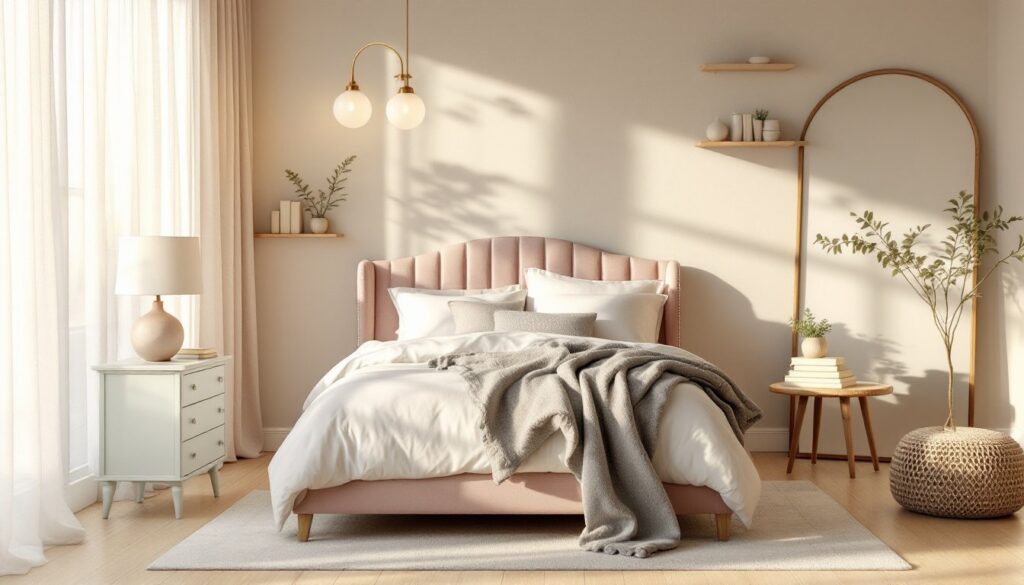
Creating a bedroom that feels unmistakably feminine doesn’t mean drowning in pink ruffles or committing to a single aesthetic. A well-executed girly bedroom balances soft color palettes, thoughtful furniture choices, and layered textures to create a retreat that’s both personal and polished. Whether starting from scratch or refreshing an existing room, the key lies in selecting elements that work together without looking overly themed or juvenile. This guide walks through practical design strategies, from paint selection to DIY accents, that help turn any bedroom into a space with charm, warmth, and personality.
Table of Contents
ToggleKey Takeaways
- Girly bedroom ideas thrive on soft color palettes like dusty rose, sage green, and lavender paired with neutral backdrops rather than relying solely on pink.
- Invest in one or two quality statement furniture pieces—such as an upholstered headboard or vintage-inspired dresser—for greater impact than multiple small accessories.
- Layer textures throughout your space using varied pillow fabrics, throw blankets, area rugs, and window treatments to create a cozy, inviting atmosphere.
- Use layered, adjustable lighting with dimmer switches, bedside lamps, and warm-white bulbs (2700-3000K) to establish a soft, romantic mood.
- Simple DIY projects like fabric-covered bulletin boards, upholstered headboards, and refreshed furniture with new hardware deliver personalized touches without requiring advanced skills.
Choosing the Perfect Color Palette for a Feminine Bedroom
Color sets the foundation for the entire room, and feminine palettes extend far beyond the obvious blush pink. Soft neutrals like warm ivory, greige, or cloud white create a clean backdrop that won’t feel dated in three years. These work particularly well on all four walls when paired with bolder accent colors in textiles and accessories.
For those who want color on the walls, consider dusty rose, sage green, lavender, or powder blue. Use a flat or eggshell finish for walls to minimize imperfections: save satin or semi-gloss for trim work. One gallon of quality paint typically covers 350-400 square feet, so a standard 12×12-foot bedroom with 8-foot ceilings needs about two gallons for two coats.
Accent walls work best behind the bed or on a wall with architectural interest. If painting just one wall, go two to three shades darker than the other walls rather than switching colors entirely, it creates depth without visual chaos. Peel-and-stick wallpaper offers a removable option for renters: apply it to a single wall or inside closet doors for a pop of pattern without commitment.
Don’t ignore the ceiling. A soft blush or pale peach ceiling adds warmth and makes the room feel cocooned. Use the same paint sheen as the walls to avoid a disjointed look. Test samples in different lighting conditions before committing, colors shift dramatically between morning and evening light.
Statement Furniture Pieces That Add Charm and Personality
Furniture anchors the room’s personality, and a few well-chosen pieces make a stronger impact than a dozen small accessories. Start with the bed frame. Upholstered headboards in velvet or linen immediately soften a space: channel tufting or nailhead trim adds detail without fussiness. For a more traditional look, a curved or arched headboard in a neutral fabric works with multiple design directions.
Vintage or vintage-inspired dressers bring character that flat-pack furniture can’t match. Look for pieces with good bones, solid wood construction, dovetail drawer joints, and smooth glides. A dated finish can be refreshed with chalk paint or milk paint: lightly sand high-traffic edges after painting for a worn, authentic look. Swap out builder-grade knobs for glass, ceramic, or brushed brass pulls to elevate the piece.
Nightstands don’t need to match perfectly. Pairing a wood nightstand on one side with a small upholstered bench or vintage side table on the other adds visual interest. Just keep heights consistent, the top of the nightstand should sit level with or slightly above the mattress height for functional reach.
If space allows, add a tufted bench at the foot of the bed or a slipper chair in a corner. These aren’t just decorative: they provide practical seating for putting on shoes or setting down bags. Choose performance fabrics if the piece will see daily use, many modern velvets are treated to resist stains and wear better than untreated natural fibers.
Layering Textures and Fabrics for Cozy Elegance
A girly bedroom should feel tactile and inviting, which means layering different textures throughout the space. Start with the bed, which is the visual and functional focal point. Use a duvet or comforter as the base layer, then add a lightweight quilt or coverlet folded at the foot. This creates dimension and makes the bed feel styled, not just functional.
Pillows are where texture work really pays off. Combine different fabrics, linen euro shams in back, velvet or faux fur lumbar pillows in front, and a couple of patterned accent pillows in the middle. Stick to odd numbers (five or seven total) to avoid a too-symmetrical hotel look. When layering bedroom textiles, varying pillow sizes and textures prevents the arrangement from reading flat.
Throw blankets add another layer. Drape one over the foot of the bed or across a chair. Chunky knit, faux fur, or cable-knit styles work well in feminine spaces. Avoid synthetic fleece, it pills quickly and looks cheap after a few washes.
Under the bed, a plush area rug softens hard flooring and defines the sleep zone. Aim for a rug that extends at least 18-24 inches beyond each side of the bed and out from the foot. Natural fiber rugs like jute add texture but can feel rough underfoot: layering a smaller, softer rug on top solves this. For wall-to-wall carpet, skip the area rug and invest in a thick, cushy rug pad instead, it prevents slipping and extends carpet life.
Window treatments should be functional and soft. Linen or cotton blend curtains in floor-length panels (hung as close to the ceiling as possible) make the room feel taller. If privacy or light control is an issue, install blackout roller shades behind decorative curtains. Mount curtain rods 4-6 inches above the window frame and extend them 4-6 inches beyond each side to maximize natural light when curtains are open.
Lighting Ideas to Create a Soft, Romantic Ambiance
Lighting makes or breaks the mood in a bedroom, and feminine spaces benefit from layered, adjustable light sources. Overhead fixtures provide general illumination, but a single ceiling light in the center of the room casts harsh shadows and feels institutional.
If there’s a ceiling box, replace builder-grade fixtures with a chandelier, pendant, or semi-flush mount that adds visual interest. Small to mid-size bedrooms (up to 144 square feet) work well with fixtures 17-20 inches in diameter. Hang chandeliers so the bottom clears at least 7 feet from the floor, higher in rooms with taller ceilings.
Task lighting comes from bedside lamps or wall-mounted sconces. Table lamps should be 24-27 inches tall (measured to the top of the shade) so the bottom of the shade sits at eye level when seated in bed. This prevents glare while reading. Sconces free up nightstand space: mount them 60-66 inches from the floor and about 12-18 inches out from the edge of the headboard.
Accent and ambient lighting adds softness. String lights (not the college dorm variety, but fabric-cord Edison bulbs or globe lights) can be draped over a headboard, along a bookshelf, or around a mirror. LED strip lighting installed behind floating shelves or under a bed frame creates a subtle glow. Use warm white bulbs (2700-3000K) throughout the room, cool white or daylight bulbs feel clinical and undermine the cozy vibe.
Install dimmer switches on all permanent fixtures. A basic single-pole dimmer costs under $20 and takes about 15 minutes to install (turn off the breaker first). If the room has multiple light sources, consider smart bulbs that allow app-based dimming and scheduling without rewiring.
Wall Decor and Accent Ideas That Make an Impact
Bare walls feel unfinished, but over-decorating creates visual clutter. Start with one or two larger pieces rather than scattering small frames everywhere. An oversized framed print, canvas, or textile above the bed anchors the space. Aim for artwork that’s roughly two-thirds the width of the headboard or furniture piece below it.
Gallery walls work well on adjacent walls or in alcoves. Use a consistent frame style (all wood, all metal, or all white) with varied sizes. Lay out the arrangement on the floor first, then transfer measurements to the wall using painter’s tape. Hang the center of each piece at 57-60 inches from the floor (standard gallery height), adjusting as needed for furniture clearance.
Mirrors amplify light and make small rooms feel larger. A large leaning mirror (at least 60 inches tall) propped against a wall adds drama without requiring wall anchors. Wall-mounted mirrors should be secured into studs with appropriate hardware, especially anything over 20 pounds. Decorative mirrors with ornate frames, sunburst designs, or arched tops lean feminine without being overly fussy.
Floating shelves display books, plants, and small decor items. Install them using heavy-duty brackets rated for the expected load, many decorative shelves come with flimsy hardware that fails under weight. Space shelves 10-12 inches apart vertically for most decor items. Style shelves with a mix of heights and textures: lean small art pieces against the wall and layer in greenery or candles.
Wall molding and trim add architectural interest to builder-grade rooms. Simple chair rail, picture rail, or board-and-batten can be DIYed with primed MDF boards, a miter saw, construction adhesive, and a brad nailer. Paint molding the same color as the walls for subtle texture, or use a contrasting shade to define sections. This is purely cosmetic work and doesn’t require permits, but it does require accurate measuring and clean cuts.
DIY Projects to Personalize Your Girly Bedroom on a Budget
Custom touches make a space feel uniquely yours, and many high-impact projects require minimal skill or tools. Fabric-covered bulletin boards or memo boards add function and style. Cut 1/2-inch MDF or plywood to size, wrap it in batting and decorative fabric, then secure the fabric on the back with a staple gun. Add ribbon in a crisscross pattern with upholstery tacks for a classic look. Hang using D-rings and picture hangers rated for the board’s weight.
Upholstered headboards are easier than they look. Build a simple frame from 1×4 or 1×6 pine boards (actual dimensions: 3/4″ x 3.5″ or 3/4″ x 5.5″), cut 2-inch foam or batting to fit, then wrap and staple fabric around the frame. Attach the finished headboard to the wall using French cleats or heavy-duty picture hangers into studs. Total material cost runs $50-$100 depending on fabric choice, versus several hundred for a pre-made upholstered headboard.
Refreshing existing furniture with new hardware or paint instantly updates a room. Spray paint old metal bed frames or wooden furniture with bonding primer followed by satin or semi-gloss topcoat in a fresh color. Work outdoors or in a well-ventilated garage: wear a respirator mask rated for VOCs, not just a dust mask. Apply multiple thin coats rather than one heavy coat to avoid drips.
Custom curtain panels cost a fraction of ready-made options. Hem fabric to the desired length (measure from rod to floor, then add 8-10 inches for top and bottom hems). Use iron-on hem tape if sewing isn’t an option, it holds up well through gentle washing. Add clip rings to avoid sewing rod pockets. When selecting window treatment fabrics, consider how much light filtering is needed before committing to a material weight.
DIY artwork from fabric remnants, framed wallpaper samples, or pressed botanicals fills wall space inexpensively. Use simple styling techniques to group smaller pieces into cohesive arrangements. Standard poster frames from big-box stores work fine: upgrade to real wood frames if budget allows, but skip ornate gold plastic, it reads cheap rather than charming.
Conclusion
A well-designed girly bedroom balances soft aesthetics with practical function. Focus on a cohesive color palette, invest in a few quality furniture pieces, and layer textures thoughtfully rather than throwing everything pastel at the walls. Smart lighting and intentional wall decor create atmosphere without clutter, while a handful of DIY projects add personal touches that store-bought rooms can’t match. Most of these updates require only basic tools and weekend effort, making a dreamy, feminine retreat achievable on almost any budget.