Mobile homes are a fantastic way to enjoy affordable living, but let’s face it—they can sometimes look like they’re floating away on a cloud of uncertainty. Underpinning isn’t just a fancy term; it’s the secret sauce that keeps these homes grounded and stable. Think of it as giving your mobile home a solid pair of shoes to stand on, ensuring it doesn’t tiptoe away during a storm.
Table of Contents
ToggleOverview of Mobile Home Underpinning Ideas
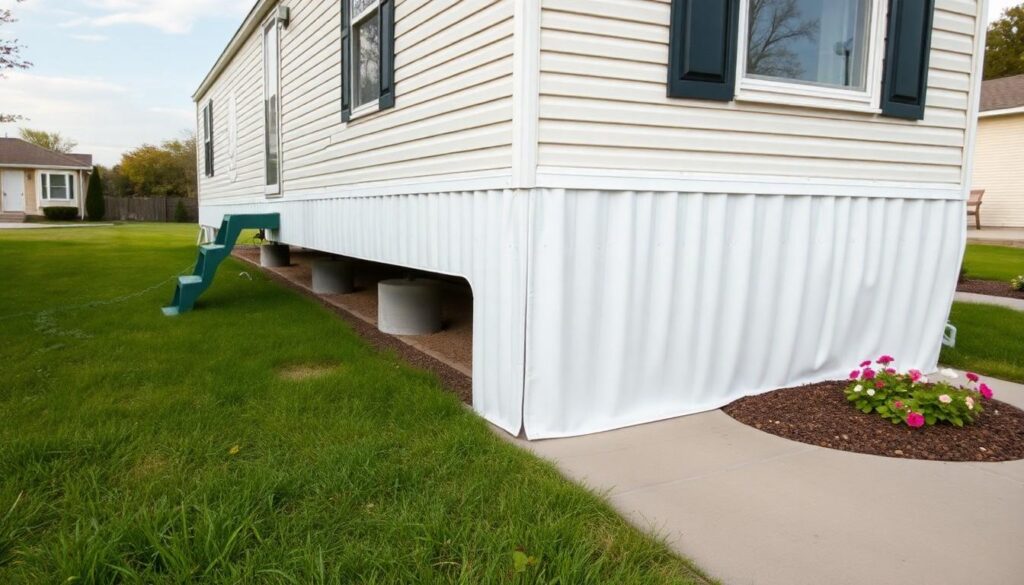
Mobile home underpinning involves several effective methods designed to enhance stability and security. Skirting serves as an essential component, providing insulation while protecting vulnerable areas from pests and weather elements. This protective barrier can be crafted using materials like vinyl, metal, or concrete, all chosen for durability and aesthetic appeal.
Another approach involves using concrete blocks. Concrete blocks create strong support structures that withstand shifting soil and environmental challenges. Properly installed, this method ensures that a mobile home remains level over time.
Utilizing insulation boards also offers significant benefits. Insulation boards enhance energy efficiency, helping maintain temperature control within the home. This technique involves placing rigid foam materials beneath the home, which prevents heat loss during cold months.
Additionally, piers offer an alternative solution. Piers elevate the home, ensuring that it remains stable on uneven terrain. Constructing piers with concrete or treated wood significantly improves the overall durability of the foundation.
Permanent foundations stand out as a popular choice among mobile homeowners. This method includes pouring a concrete slab or installing a crawl space, providing exceptional stability. Permanent foundations often satisfy local building codes, adding increased value and security to the property.
Lastly, using a combination of these materials and techniques can yield excellent results. Customizing the underpinning process helps meet specific environmental conditions and homeowner preferences. Each technique has its unique advantages, and selecting the right one depends on individual needs and local climate considerations.
Benefits of Proper Underpinning
Proper underpinning provides essential advantages for mobile homes. This process not only enhances stability but also improves energy efficiency.
Enhanced Stability
Enhanced stability fosters safety and security for mobile homes. It prevents structural shifts by providing a firm foundation, especially in adverse weather. Piers or concrete blocks help distribute weight evenly, countering soil movement. A mobile home secures its position, avoiding common issues like sagging or tilting. The risk of damage from wind or flooding decreases significantly with robust underpinning. Homeowners who prioritize stability can expect reduced maintenance costs due to fewer structural repairs.
Improved Energy Efficiency
Improved energy efficiency results from effective underpinning methods. Insulation boards trap heat during colder months, ensuring a comfortable indoor climate. Skirting, crafted from durable materials, seals gaps that may allow air leaks. Properly installed underpinning reduces energy consumption, which directly impacts utility bills. Numerous homeowners experience lower heating and cooling costs after applying these strategies. Efficient designs also contribute to better overall environmental sustainability, creating eco-friendly spaces.
Types of Underpinning Methods
Mobile home underpinning methods vary in design and application, each offering distinct benefits for stability and security.
Block and Beam
Block and beam systems provide superior support by distributing weight evenly. Concrete blocks serve as the primary support structure, often elevated using beams. This method effectively protects against soil shifts that can compromise a mobile home’s stability. Installation is quick, minimizing disruption for homeowners. It’s crucial to select materials that comply with local building codes and weather conditions for optimal performance. Regular maintenance ensures long-term durability and effectiveness of the underpinning.
Concrete Piers
Concrete piers offer a reliable option for uneven terrain. These foundations consist of reinforced concrete columns set deep into the ground. By reaching stable soil layers, they effectively resist shifting and settling. This approach suits various climates and prevents moisture-related issues, enhancing the mobile home’s longevity. After installation, home stability increases dramatically, especially during severe weather events. Homeowners appreciate reduced risk of structural damage, emphasizing the practicality of this underpinning method.
Skirting Panels
Skirting panels provide an effective layer of protection around the mobile home perimeter. These panels not only enhance aesthetics but also insulate and shield against pests. Materials can range from vinyl to wood, each offering unique durability and maintenance requirements. Proper installation contributes to energy efficiency, reducing utility costs by eliminating drafts. Various designs allow homeowners to customize the look while ensuring functionality. Ultimately, skirting panels create a barrier that enhances both safety and comfort for residents.
DIY vs. Professional Installation
Choosing between DIY and professional installation for underpinning involves weighing various factors. Ultimately, each option carries unique benefits and challenges.
Pros and Cons of DIY
DIY underpinning offers cost savings and control over the project. Homeowners can select materials and methods tailored to specific needs without paying for labor. However, challenges often arise, including potential errors that may compromise stability and safety. Inexperience might lead to miscalculations or insufficient support systems. It’s crucial to assess personal skill levels and available time before deciding on this route.
When to Hire a Professional
Hiring a professional installation ensures expertise and compliance with building codes. Professionals possess the experience needed to address complex challenges, such as uneven terrain or local regulations. Increased safety is a significant advantage, reducing the risk of structural failures. If uncertainty exists regarding the best underpinning method or materials, professionals can provide tailored advice. Homeowners should consider this option for larger projects or when health and safety outweigh budget concerns.
Investing in proper underpinning for mobile homes is essential for ensuring long-term stability and safety. By choosing the right methods and materials homeowners can significantly enhance their mobile home’s resilience against environmental challenges. Tailoring underpinning solutions to specific needs not only boosts structural integrity but also promotes energy efficiency and lowers maintenance costs. Whether opting for DIY or hiring professionals it’s crucial to prioritize quality and compliance with local codes. Ultimately, effective underpinning transforms a mobile home into a secure and comfortable living space that stands the test of time.