
Imagine sharing a home with not just your kids but also your parents, grandparents, and maybe even that quirky uncle who never quite left the nest. Multigenerational living is on the rise, and it’s not just about combining households; it’s about creating a vibrant community under one roof. With the costs of living skyrocketing, this arrangement offers a practical solution and a chance to strengthen family bonds.
But don’t let the thought of sharing a bathroom with your in-laws scare you away. Think of it as a built-in support system where wisdom meets youthful energy, and someone’s always around to help with the dishes—or at least to argue over who’s turn it is. Embracing multigenerational living can lead to unexpected joys and a unique family dynamic that’s hard to replicate. So, why not dive in and discover the perks of this modern family living arrangement?
Overview of Multigenerational Living
Multigenerational living involves multiple generations of a family sharing the same residence. This arrangement fosters close relationships while providing practical benefits.
Definition and Concepts
Multigenerational living typically includes parents, children, and grandparents residing under one roof. It can also extend to aunts, uncles, and cousins. This setup encourages shared responsibilities and collective decision-making. Families engaging in this lifestyle often experience enhanced emotional support, improved caregiving options, and financial advantages such as reduced housing costs. Each member may contribute differently, whether through childcare, financial support, or household tasks. The dynamics can vary widely, reflecting the diverse needs of the family unit.
Historical Context
Historically, multigenerational living has roots in various cultures around the world. Many societies once depended on extended family systems for economic and social support. The industrial revolution saw shifts toward nuclear family structures, but recent trends indicate a resurgence in multigenerational households. Economic challenges, such as rising housing costs and caregiving demands, have prompted more families to cohabitate. Research shows significant growth in multigenerational living since 2000, with about 20% of Americans residing in such arrangements by 2022. Shifts in societal norms and values further support this trend, recognizing the benefits of interconnectedness.
Benefits of Multigenerational Living
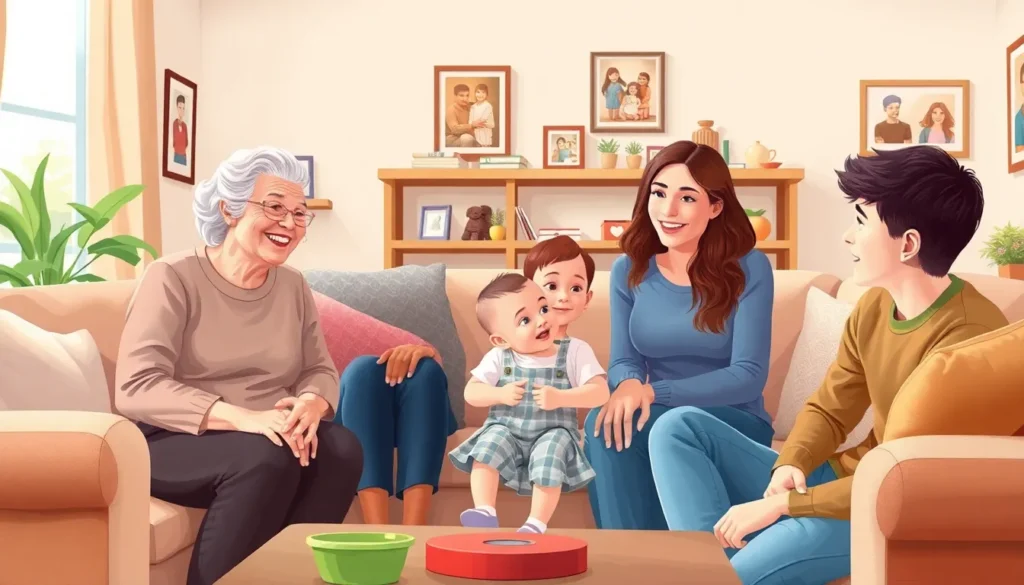
Multigenerational living presents several significant advantages for families. This arrangement not only fosters intimacy among family members but also delivers practical benefits.
Financial Advantages
Cost savings rank among the primary incentives for multigenerational living. Sharing living expenses—like rent or mortgage payments and utilities—can ease financial burdens. Group purchasing power allows families to buy groceries and household items at lower prices. Many families also benefit from shared childcare duties, reducing the need for expensive daycare services. Research from the Pew Research Center notes that approximately 20% of Americans resided in multigenerational households by 2022. This trend emphasizes a collective approach to financial stability and resource management.
Emotional and Social Benefits
Emotional support flourishes in multigenerational homes. Family members provide companionship, counteracting feelings of isolation and loneliness. Children often gain valuable life lessons and skills from older generations. Social dynamics thrive when multiple generations interact, as shared experiences and stories strengthen bonds. Conflict resolution skills improve through collaborative decision-making processes. Additionally, a nurturing environment arises, enhancing resilience and overall family harmony. In contrast to isolated living arrangements, multigenerational households foster a sense of belonging that’s invaluable in today’s society.
Challenges of Multigenerational Living
Multigenerational living presents unique challenges that families must navigate to create a harmonious environment.
Space and Privacy Concerns
Limited space can lead to discomfort within a multigenerational household. Individual privacy often becomes compromised due to shared living areas. Room arrangements may not accommodate the diverse needs of all family members. For instance, without designated private spaces, tensions can arise, which may affect relationships negatively. Inadequate storage can add to frustration, as families struggle to manage belongings. Families must prioritize mindful planning to ensure everyone feels comfortable and respected.
Communication and Conflict Resolution
Effective communication is essential yet challenging in multigenerational settings. Differing communication styles among generations can lead to misunderstandings. Generational gaps in conflict resolution may also create tension. For example, older family members might prefer traditional methods, while younger ones favor more open discussions. Disagreements can escalate without a well-established system for addressing conflicts. Establishing regular family meetings encourages open dialogue and minimizes misunderstandings, ensuring all voices are heard. These proactive measures promote a more cooperative living arrangement.
Design Considerations for Multigenerational Homes
Effective design plays a crucial role in the comfort of multigenerational households. Prioritizing space and amenities ensures families thrive together while maintaining privacy.
Flexible Living Spaces
Flexible living spaces accommodate diverse needs. Open floor plans encourage interaction among family members, allowing activities to flow naturally. Designated common areas, like family rooms or kitchens, foster connection while providing opportunities for gatherings. Private zones, such as separate bedrooms or guest suites, serve the unique preferences of individuals. Incorporating multifunctional furniture, such as sofa beds or expandable dining tables, maximizes space utility and can adapt to changing household dynamics. A well-planned layout can significantly enhance both functionality and comfort.
Essential Amenities
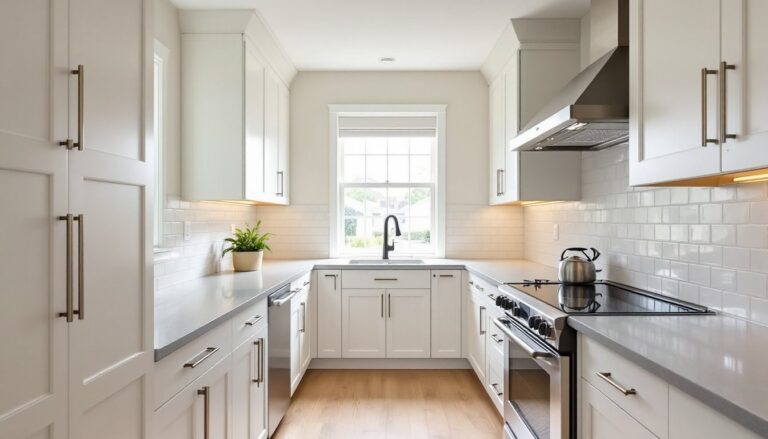
Essential amenities cater to the varied lifestyles of multigenerational families. Kitchens equipped with modern appliances streamline meal preparation for larger groups. Multiple bathrooms reduce wait times, effectively addressing the needs of several household members. Consider including laundry facilities for convenience, making daily chores less burdensome. Accessibility features, such as ramps or non-slip flooring, enhance safety for older adults and young children alike. Thoughtful amenities contribute to a harmonious living environment, promoting both efficiency and comfort within the home.
Multigenerational living offers a unique opportunity for families to thrive together. By sharing a home, they can enjoy financial savings and emotional support while fostering deeper connections. This arrangement not only promotes resilience but also creates a nurturing atmosphere where each generation contributes to the family’s overall well-being.
While challenges exist, such as space concerns and communication differences, proactive measures can help families navigate these issues. With thoughtful design and open dialogue, multigenerational households can become harmonious spaces that celebrate togetherness. Embracing this lifestyle can lead to unexpected joys and a stronger sense of belonging for everyone involved.