
When summer’s in full swing and the pool’s your backyard oasis, the last thing anyone wants is a pesky leak ruining the fun. But fear not! Pool liner repair isn’t just a chore; it’s a chance to flex those DIY muscles and save some serious cash. Who knew that tackling a tear could be as satisfying as cannonballing into the deep end?
Overview of Pool Liner Repair
Pool liner repair plays a crucial role in maintaining pool functionality and aesthetics. A damaged pool liner can lead to water loss, an increase in chemical costs, and deterioration of the pool structure. Various signs indicate a need for repair, including visible tears, holes, or loose seams.
Understanding the types of pool liners is essential. Vinyl liners, for example, are most common and relatively easy to repair. Options for repair include patch kits that often contain adhesive patches, which can conceal small holes or tears effectively. Large tears may require more extensive measures, such as removing the liner and applying a fresh piece of vinyl.
Regular inspection of the pool liner helps identify potential issues early. Check for signs of wear during pool opening and closing. This proactive approach prevents minor issues from escalating into significant problems.
Learning how to perform basic repairs becomes invaluable. Many repair kits come with detailed instructions, making DIY repairs accessible. Successfully completing a repair often gives a sense of accomplishment. Proper tools, such as a utility knife and cleaning supplies, ensure effective repairs and enhance long-term durability.
Choosing the right time for repair contributes to success. Late spring or early summer often provides ideal conditions for patching work. Repairing during warmer months helps adhesive bonds cure properly, leading to a more reliable fix. With proper care and timely repairs, a pool can remain inviting and enjoyable all summer long.
Common Pool Liner Issues
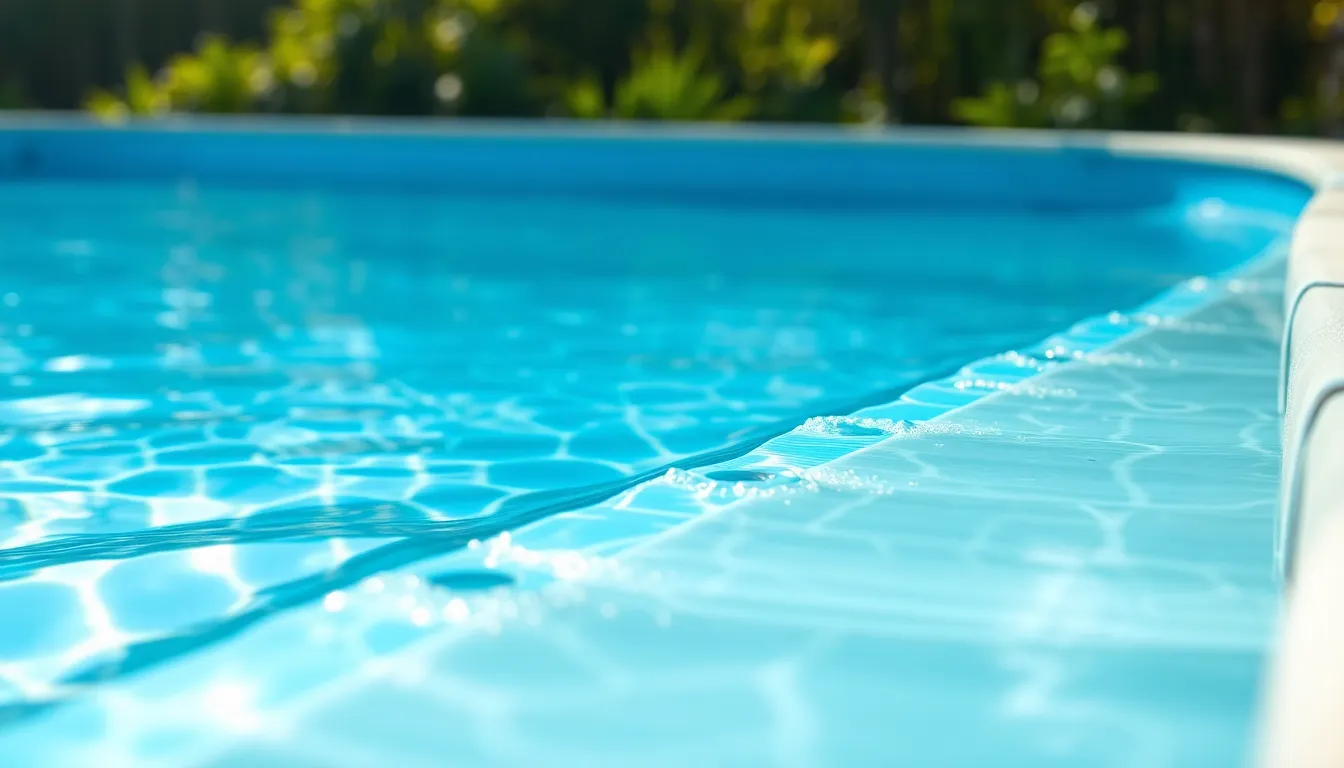
Understanding common pool liner issues is essential for maintaining a well-functioning pool. Recognizing the types of damage and the signs that indicate a need for repair can help preserve pool quality.
Types of Damage
Tears can occur due to sharp objects or extreme weather conditions. Punctures might arise from debris or accidental mishandling. Loose seams often result from aging or inconsistent temperatures. Fading might happen from excessive sun exposure, leading to cosmetic concerns but no functional issues. Each type of damage requires specific attention to ensure the pool remains safe and enjoyable.
Signs Your Liner Needs Repair
Visible tears indicate immediate action is necessary, as they can lead to leaks. Constant water loss often results from unnoticed punctures. If the seams appear loose or separating, repair is crucial to avoid further damage. Unpleasant water chemistry may signify leaks, impacting chemical balance and safety. Regular inspection allows for early detection of these signs, ensuring timely intervention.
DIY Pool Liner Repair Techniques
Repairing a pool liner can be a straightforward process. Understanding the required tools and following a step-by-step guide ensures efficient repairs.
Tools and Materials Needed
Gather essential tools for effective pool liner repair. A repair kit containing vinyl patches, adhesive, and clear waterproof sealant proves helpful. Scissors or utility knives are necessary to trim patches to appropriate sizes. Clean rags assist in removing debris and drying the surface before application. Additionally, a marker aids in outlining damage for precise patch placement.
Step-by-Step Repair Process
Follow a clear process to fix pool liner damage effectively. First, identify the damage and clean the area to enhance adhesion. Apply adhesive to the patch or directly to the torn area, establishing a solid bond. Next, press the patch onto the damaged section, ensuring no air bubbles are trapped. Allow the repair to cure according to the instructions provided in the repair kit. Once the adhesive is fully set, fill the pool to the desired level and monitor for any signs of leaks.
Professional Pool Liner Repair Services
Professional repair services provide expertise crucial for addressing challenges related to pool liners. Identifying when to hire a professional can prevent further damage and ensure proper handling of issues.
When to Hire a Professional
Hiring a professional becomes necessary when extensive damage occurs. Large tears or numerous punctures may require specialized skills that DIY methods can’t adequately address. Persistent leaks that ignore temporary patches also indicate a need for expert intervention. If leaks lead to increased water bills or ongoing repair attempts fail, a professional can provide long-term solutions. Experience plays a vital role in ensuring the pool liner’s integrity is restored effectively.
Expected Costs of Professional Repair
Costs for professional repair services can vary significantly based on the type of damage and location. Simple repairs may range from $100 to $300, while extensive damage could exceed $1,000. Factors influencing costs include labor rates, materials needed, and accessibility of the pool. Obtaining multiple quotes from different service providers helps ensure competitive pricing. Homeowners should also consider the potential expense of continued damage from delaying professional assistance. Investing in the right repair service can extend the lifespan of a pool liner and enhance overall pool enjoyment.
Preventive Measures for Pool Liners
Regular maintenance plays a vital role in prolonging the life of pool liners. Conducting consistent inspections helps identify early signs of damage. Look for tears, holes, or loose seams during these checks.
Avoiding sharp objects near the pool reduces the risk of punctures. Keeping debris out of the water prevents stains and fading. Using a pool cover when not in use provides an extra layer of protection from UV rays and debris.
Maintaining balanced water chemistry is crucial. Improper pH and alkalinity levels can weaken liner materials over time. Regularly test water parameters to ensure they’re within the recommended ranges.
Choose the right cleaning tools as well. Using a soft brush instead of abrasive ones preserves the liner’s integrity. Additionally, opt for cleaning chemicals designed specifically for vinyl to avoid deterioration.
Routine drainage and refilling, when necessary, should be done cautiously. Rapid changes in water levels can stress the liner. Gradually lowering or raising the water can prevent undue tension on seams.
Consider seasonal adjustments to pool care routines. Throughout colder months, it’s wise to check for tears and secure seams before freezing temperatures. Inspections during warmer months help catch wear from sunlight exposure.
Each of these preventive measures works together to maintain the pool liner and enhance enjoyment. Following these steps ensures a long-lasting investment in pool health and aesthetics.
Repairing a pool liner not only restores functionality but also enhances the overall enjoyment of the pool. By tackling repairs early and utilizing DIY techniques, homeowners can save money while gaining valuable skills. Regular inspections and preventive maintenance play a vital role in extending the life of a pool liner.
Whether opting for a DIY approach or seeking professional help, addressing issues promptly ensures a beautiful and inviting pool all summer long. With the right tools and knowledge, keeping a pool liner in top shape becomes an achievable goal, allowing for endless summer fun.