

A pool isn’t just a backyard feature; it’s a slice of paradise. But without proper pool pump maintenance, that oasis can quickly turn into a murky swamp. Imagine diving into a pool that looks more like a science experiment than a refreshing escape. Not exactly the summer fun you had in mind, right?
Importance Of Pool Pump Maintenance
Proper pool pump maintenance ensures a clean and inviting pool. Neglecting this care can quickly turn a sparkling oasis into a murky swamp.
Benefits Of Regular Maintenance
Regular maintenance of a pool pump extends its lifespan. It provides efficient operation, reducing energy costs. Owners save money on repairs and replacements when they prioritize upkeep. Cleaning impellers and baskets enhances circulation and filtration. Maintaining the pump leads to clearer water, creating a more enjoyable swimming experience.
Impact On Pool Health
A well-maintained pool pump contributes to overall pool health. Consistent circulation prevents algae growth and bacterial buildup. Clear water remains more inviting for swimmers, promoting comfort. Regular checks of pump seals and gaskets prevent leaks that could lead to water loss. Keeping water chemistry balanced is easier with proper filtration, ensuring a safe environment for recreational activities.
Tools And Supplies Needed
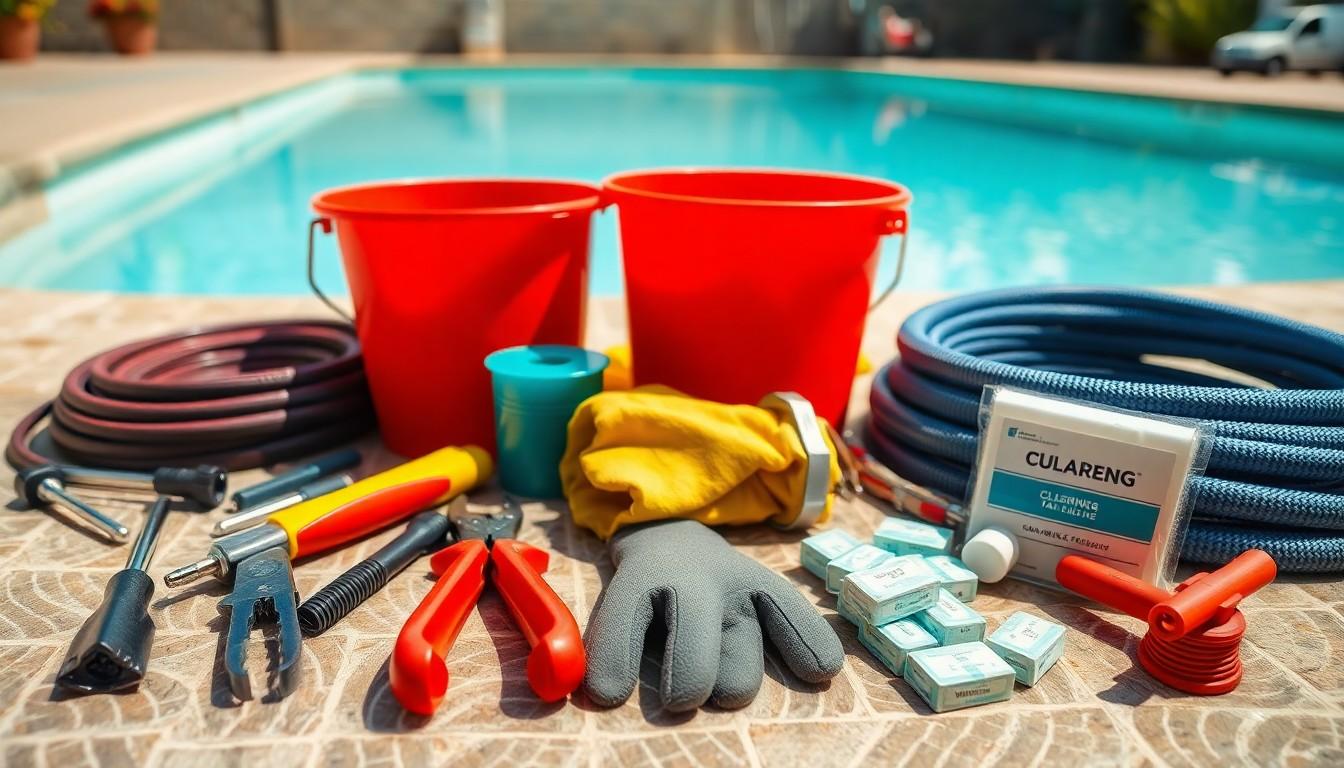
Proper maintenance of a pool pump requires specific tools and supplies. Gathering these items ensures effective upkeep and enhances the longevity of the pool pump.
Essential Tools For Maintenance
Start with a screwdriver set for assembly and disassembly of pump components. A pair of channel lock pliers aids in removing and tightening fittings. A torque wrench ensures optimal tightening of bolts, preventing damage. A bucket collects excess water during maintenance tasks. Finally, a garden hose helps rinse off debris and dirt from different parts of the pump.
Recommended Cleaning Supplies
Chlorine tablets serve to sanitize surfaces and equipment efficiently. A pool brush tackles algae and dirt buildup effectively. Use a non-abrasive sponge to wipe down surfaces without causing scratches. A filter cleaning solution dissolves grime from pool filters. Protective gloves protect skin during cleanup while maintaining hygiene standards.
Step-By-Step Maintenance Guide
Routine pump maintenance ensures a clean and inviting pool. Follow a structured approach to keep the pool pump functioning efficiently.
Weekly Maintenance Tasks
Check the pump’s basket for debris every week. Cleaning the basket enhances filtration and keeps water clear. Inspect water levels to ensure they remain optimal, preventing air from entering the pump. Test water chemistry to maintain balanced levels of pH, chlorine, and alkalinity. Analyze the pool’s surface for algae or dirt, using a pool brush to remove buildup promptly. Regular visual checks help identify any unusual noises or vibrations during operation.
Monthly Maintenance Tasks
Examine the pump for leaks monthly. Observing seals and gaskets ensures no water escapes, which could damage the unit. Clean the filter according to the manufacturer’s recommendations, maintaining optimal flow. Run a filter cleaning solution through the system to remove accumulated contaminants. Assess the overall performance of the pump and make adjustments as needed. Consider measuring energy consumption to ensure ongoing efficiency.
Seasonal Maintenance Responsibilities
Conduct a thorough inspection at the start of each season. Assess the pool pump and surrounding area for any wear or damage. Replace worn-out parts immediately to avoid further issues. Empty and clean the pump basket and filter thoroughly, ensuring peak performance. Review the pump’s settings and timers to align with the seasonal use. Prepare for potential winterization in colder climates by following specific guidelines to prevent freezing damage.
Troubleshooting Common Issues
Common issues with pool pumps may arise, affecting performance and water quality. Identifying and addressing these problems quickly ensures a clean and healthy pool environment.
Identifying Pump Problems
Unusual noises often indicate issues within the pump. Inspecting the basket for debris helps determine if clogging is occurring. Reduced water flow frequently suggests blockages or leaks in the system. Swirling or cloudy water could point to filtration problems. Checking the pressure gauge assists in understanding whether the pump operates within normal ranges. Taking these steps helps pinpoint the root cause of pump malfunctions.
Solutions For Common Malfunctions
Clogged baskets require immediate cleaning to restore optimal flow. Tightening loose fittings can prevent leaks, improving efficiency. Replacing worn seals ensures the pump maintains proper water pressure. Regularly cleaning filters prevents buildup, enhancing filtration. Addressing noisy pumps may involve lubricating bearings or checking internal components for wear. Following these solutions supports the longevity and performance of the pool pump.
Professional Maintenance Services
Professional maintenance services play an essential role in ensuring the optimal performance of pool pumps. Many owners find it beneficial to use experts for complex repairs or routine maintenance tasks.
When To Hire A Professional
Recognizing the right time for professional help can save both time and money. Compressor problems, persistent leaks, and electrical issues often require advanced knowledge and tools. Increased energy bills may hint at pump inefficiency, which indicates a need for professional assessment. During winterization, professional services ensure proper shutdown and protection against freezing. If unsure about mechanical repairs or safety protocols, opting for expert assistance prevents further damage.
Costs And Benefits Of Professional Service
Costs vary depending on the services rendered, typically ranging from $100 to $300 for routine visits. In contrast, professional services can extend the lifespan of pool pumps, leading to significant long-term savings. Adjustments and repairs performed by trained technicians enhance efficiency, reducing energy bills. Additionally, maintenance checks can uncover hidden issues before they escalate, saving costly repairs later. Investing in professional services ultimately maintains a safe swimming environment and optimizes overall pool health.
Maintaining a pool pump is vital for keeping a pool clean and inviting. Regular upkeep not only prolongs the pump’s life but also enhances its efficiency. This translates to lower energy costs and fewer repair expenses.
By following a structured maintenance routine and using the right tools, pool owners can ensure optimal performance and water quality. Addressing issues promptly and considering professional help when needed can further safeguard the investment in a pool.
Ultimately, a well-maintained pool pump contributes to a safe and enjoyable swimming experience, making it an essential aspect of pool ownership.

