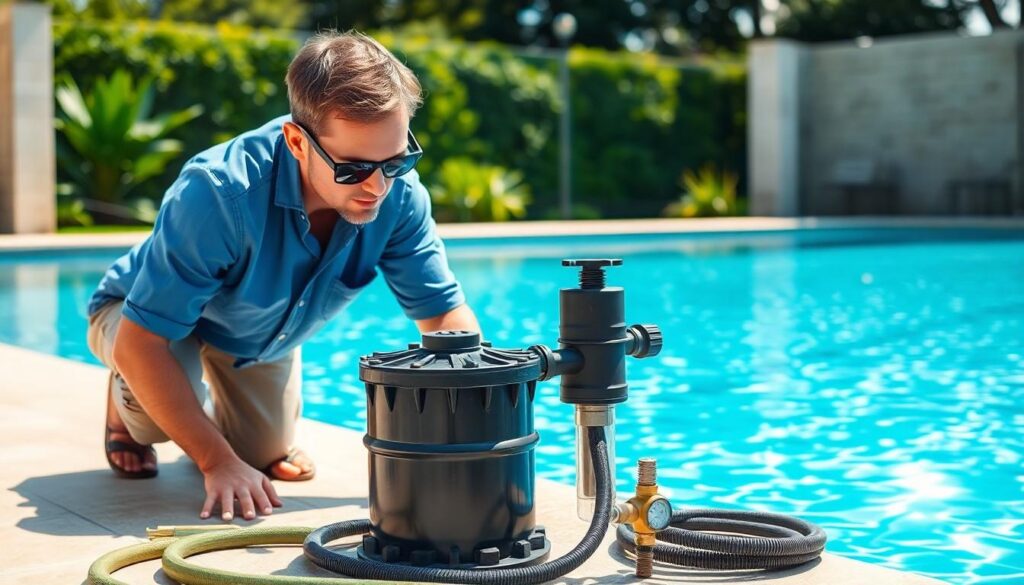
A sparkling pool is the ultimate backyard oasis, but without proper maintenance, it can quickly turn into a swampy disaster. Enter the unsung hero of pool care: the sand filter. This little device works tirelessly to keep the water clear and inviting, but it won’t do all the heavy lifting on its own. Just like a good friend who reminds you to wear sunscreen, your sand filter needs regular check-ups to keep the fun flowing.
Table of Contents
ToggleImportance Of Pool Sand Filter Maintenance
Maintaining a pool sand filter is essential for optimal water quality. Clean filters improve water clarity by effectively trapping dirt, debris, and contaminants. Without proper upkeep, filters can become clogged and inefficient, compromising the pool’s hygiene.
Regular maintenance helps extend the filter’s lifespan. Ignoring maintenance can lead to costly repairs and replacement needs. Changing the sand every three to five years ensures filters operate at peak efficiency.
Routine backwashing is necessary to prevent sediment accumulation. Frequency of backwashing depends on pool usage and environmental factors. A good rule of thumb involves checking pressure gauges and backwashing when pressure rises by 8 to 10 psi above the normal range.
Water chemistry plays a vital role in maintenance. Balancing pH, alkalinity, and chlorine levels aids filter performance. Imbalanced chemicals can cause sand fouling, reducing filtration effectiveness.
Keeping an eye on the pool’s overall condition is important. Regularly inspecting for leaks or cracks in the filter unit prevents more significant issues. Addressing these problems quickly can save time and money in the long run.
Consistent pool sand filter maintenance ensures clean, clear water and enhances the enjoyment of the swimming experience. Adopting preventive measures not only protects the investment but also promotes a healthier swimming environment.
Regular Maintenance Tasks
Regular maintenance tasks ensure the sand filter operates at peak performance. Consistent attention to these activities helps maintain water clarity and prolongs the filter’s life.
Backwashing The Filter
Backwashing the filter removes trapped dirt and debris, enhancing filter efficiency. This process should occur when the pressure gauge indicates a rise of 8 to 10 psi above the normal operating level. Start by turning off the pump, setting the valve to backwash, and restarting the pump. After a few minutes, turn off the pump again, switch the valve back to the filter setting, and restart the pump once more. Performing backwashing regularly keeps the filter clean, crucial for optimal water circulation and clarity.
Checking The Sand Levels
Checking the sand levels in the filter regularly ensures proper filtration. Sand should maintain a depth of 18 to 24 inches, depending on the filter size. Inspecting the filter’s sight glass can indicate when it requires attention. If the sand settles below the optimal level, adding more sand may be necessary. Monitoring sand levels keeps the filter performance consistent, contributing to sparkling clear water in the pool.
Troubleshooting Common Issues
Pool owners often encounter issues with their sand filters. Identifying and addressing these problems ensures optimal performance and water quality.
Low Water Flow
Low water flow indicates potential filter problems. Check the pressure gauge; a significant drop suggests the filter may require backwashing. Inspect the skimmer and pump baskets for blockages, as debris accumulation can impede flow. Ensure the sand level remains between 18 to 24 inches; insufficient sand affects filtration efficiency. Additionally, verify that all valves are open and functioning properly. Clogged pipes can also create resistance, hindering water flow through the system.
Cloudy Water
Cloudy water signals that the sand filter isn’t performing effectively. First, assess water chemistry; imbalanced pH or alkalinity can compromise filtration efficiency. Next, examine the sand for fouling or clumping; replacing sand may be necessary if it’s not filtering debris properly. Inspect the filter for leaks or cracks; these issues often contribute to inadequate filtration. Lastly, consider running the filter for longer periods to ensure thorough circulation and filtration in the pool.
Tips For Maintaining Your Pool Sand Filter
Maintaining a pool sand filter keeps water crystal clear and extends its life. Regular maintenance ensures optimal performance.
Seasonal Maintenance
Winterization protects the sand filter from damage during cold months. It’s important to drain water from the filter and install freeze plugs to prevent freezing. Cleaning the sand before the swimming season enhances filtration and clarity. Checking for leaks and cracked fittings also helps prevent issues. Opening the pool requires a thorough inspection of the filter and replacing old sand if needed, ensuring a proactive approach to maintenance.
Recommended Products
High-quality filter sand significantly improves filtration efficiency and lasts longer. Manufacturers suggest using #20 silica sand or equivalent, typically sized 0.45 to 0.55 mm. Multi-port valves enhance versatility by allowing various functions such as backwashing and rinsing without removing the filter. Chemical balancing solutions maintain optimal water quality, reducing pressure on the filter. Lastly, using a pool cover reduces debris entry, decreasing the maintenance burden on the sand filter.
Maintaining a pool sand filter is vital for ensuring crystal clear water and a pleasant swimming environment. Regular maintenance not only prolongs the filter’s lifespan but also enhances overall pool hygiene. By adhering to recommended practices like timely backwashing and monitoring sand levels, pool owners can prevent common issues and costly repairs.
Investing time in seasonal maintenance and using quality materials further safeguards the filter’s efficiency. With proper care, the sand filter will continue to perform optimally, providing a sparkling oasis for relaxation and enjoyment. Keeping the filter in top shape ultimately contributes to a healthier pool and a more enjoyable swimming experience.