
When summer rolls around, nothing beats the joy of diving into a sparkling pool or soaking in a steaming hot tub. But let’s be real—keeping those backyard oases in tip-top shape can feel like a full-time job. Between balancing chemicals and skimming leaves, it’s easy to feel like you need a degree in poolology just to enjoy a dip.
Importance Of Proper Maintenance
Proper maintenance of pools and hot tubs ensures optimal water quality and safety. Regular upkeep prevents the growth of harmful bacteria and algae, which can pose health risks. Regularly checking and balancing chemical levels maintains safe pH, alkalinity, and chlorine levels, making water more inviting.
Debris accumulation can lead to clogs in filters and pumps. Clear water allows better visibility for swimmers and enhances the overall aesthetic. Performing routine cleaning not only promotes hygiene but also extends the lifespan of equipment.
Ignoring maintenance can result in costly repairs. Equipment breakdowns due to neglect can lead to significant expenses, impacting enjoyment and accessibility. Regularly inspecting pumps, heaters, and filters helps identify issues early, minimizing risks.
Furthermore, aesthetic appeal plays a crucial role in pool and hot tub usage. Well-maintained facilities encourage more frequent use, boosting overall satisfaction. Guests and family members appreciate clean water and clear surroundings, enhancing their relaxation experience.
Additionally, routine maintenance sustains water clarity and appearance, creating an inviting environment. Properly maintained surfaces reduce the risk of slips and injuries, contributing to safety. Establishing a maintenance schedule promotes consistency and peace of mind, ensuring everything functions smoothly.
Neglecting minor tasks can lead to major problems. Scheduling regular professional inspections can provide expert insights to maintain safety and efficiency effectively. Following these maintenance practices creates a more enjoyable and safe experience for all users.
Essential Tools For Maintenance
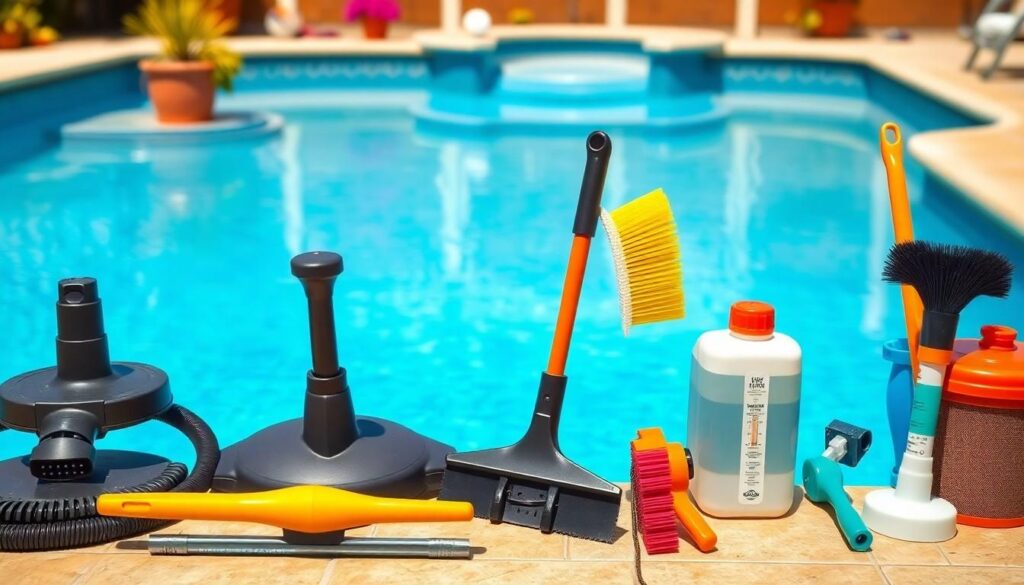
Proper tools simplify pool and hot tub maintenance, ensuring optimal performance and hygiene. Having the right equipment makes the upkeep process more efficient and effective.
Cleaning Equipment
Vacuum heads are essential for removing debris from pool or hot tub surfaces. Skimmers play a key role in capturing floating leaves and insects, preventing clogging. Brushes help maintain clean walls and floors, targeting tough stains and algae. Pool nets provide easy access for collecting larger debris. Leaf rakes assist in gathering accumulated debris, especially in autumn. Automatic cleaners save time by autonomously navigating the water, ensuring consistent cleanliness. These tools collectively contribute to a healthy aquatic environment, making maintenance tasks manageable.
Chemical Test Kits
Test strips allow for quick and easy assessments of water chemistry. Liquid test kits offer more precise readings for pH and chlorine levels. Regular testing ensures balanced water chemistry, reducing risks of irritation and equipment damage. Maintaining appropriate levels fosters a safe swimming experience. Reagents help users identify and correct chemical imbalances effectively, while digital test kits can simplify the process with automated readings. Using these kits regularly promotes long-term water quality, safeguarding both health and enjoyment.
Routine Maintenance Tasks
Routine maintenance tasks play an essential role in keeping pools and hot tubs in top condition, ensuring safe and enjoyable experiences for users.
Water Balancing
Water balancing maintains safe pH, alkalinity, and chlorine levels. Checking these parameters regularly prevents the growth of harmful bacteria and algae. It’s recommended to test the water at least once a week using chemical test kits such as test strips or liquid kits. Balancing involves adjusting pH levels between 7.2 and 7.8, with alkalinity ideally between 80 and 120 parts per million. Correct chlorine levels, between 1 and 3 parts per million, assure water safety. Consistent monitoring and adjustment contribute to clear water and equipment longevity.
Filter Cleaning
Cleaning filters regularly maximizes filtration efficiency. Clogged filters hinder water circulation, impacting overall water quality. Heavily soiled filters may require cleaning every 4 to 6 weeks, while moderate use may only need maintenance every few months. Rinsing cartridge filters with water removes debris effectively. Backwashing sand filters expels contaminants, restoring flow rates. Scheduled filter maintenance prevents costly repairs, ensuring optimal performance and enhancing users’ experiences.
Surface Cleaning
Surface cleaning removes debris and maintains aesthetics. Regular skimming of floating debris and leaves helps keep water clear and inviting. Brushing pool walls and hot tub surfaces weekly prevents algae buildup. Vacuuming, whether manually or using automatic cleaners, eliminates settled dirt and particles from the bottom. Scheduling these tasks not only promotes hygiene but also enhances safety by reducing slip risks. A clean surface significantly contributes to the visual appeal, encouraging more frequent enjoyment of pools and hot tubs.
Seasonal Maintenance Considerations
Seasonal maintenance is crucial for optimal pool and hot tub performance. Adapting care strategies according to the time of year enhances safety and enjoyment.
Winterizing Your Pool & Hot Tub
Winterizing ensures protection during cold months. Begin by thoroughly cleaning the pool and hot tub to remove debris. Next, properly balance the water’s pH, alkalinity, and chlorine levels to prevent damage. Lower the water levels below skimmers, then drain all equipment, including pumps and heaters, to avoid freeze damage. Additionally, use winter covers to shield surfaces from ice and snow. Following these steps preserves equipment integrity and prepares the system for next season.
Preparing For Summer Use
Preparation for summer involves a systematic approach to restore enjoyment. Start with a comprehensive cleaning, including brushing walls and vacuuming debris. Then, test the water chemistry to ensure safe balance in pH, alkalinity, and chlorine levels. Adjust these levels as necessary to minimize irritation risks. Inspect filters and pumps for clogs or wear; proper functioning is vital for water circulation. Finally, check safety equipment, like ladders and covers, to confirm their integrity. Completing these tasks guarantees a safe and enjoyable experience all summer long.
Troubleshooting Common Issues
Addressing common issues can enhance the enjoyment of pools and hot tubs. Identifying and resolving problems promptly ensures optimal performance.
Pool Leaks
Pool leaks frequently lead to water loss and increased costs. Regularly inspecting the pool’s perimeter, skimmer, and drain areas helps detect leaks early. A simple bucket test allows for an evaluation of potential leakage. If water level drops significantly but not due to evaporation, further investigation is necessary. Applying dye tests around suspected areas can pinpoint leaks effectively. Furthermore, consulting a professional may be required for larger leaks to prevent further damage and maintain the pool’s integrity.
Hot Tub Heater Problems
Problems with hot tub heaters can disrupt relaxation and enjoyment. Regularly checking the heater’s temperature settings ensures water reaches the desired warmth. If the water remains cold, examining power sources and control panels is essential. A malfunctioning thermostat may need replacement to restore proper function. Additionally, cleaning filters regularly enhances heater efficiency and performance. Look for blockages in water flow that can hinder heating. In many cases, if issues persist, seeking assistance from a technician may be necessary for safe troubleshooting.
Maintaining pools and hot tubs is essential for enjoying a safe and inviting environment. Regular upkeep not only enhances water quality but also prolongs the lifespan of equipment. By establishing a maintenance routine and utilizing the right tools, users can simplify the process while ensuring optimal performance.
Investing time in regular inspections and cleaning tasks can prevent costly repairs and health risks. Whether it’s balancing water chemistry or addressing minor issues promptly, proactive maintenance pays off in the long run. A well-cared-for pool or hot tub becomes a welcoming oasis, encouraging family and friends to gather and enjoy all summer long.